Beyond the Matric Certificate: What Parents Should Look for in Future-Ready Education
Critical thinking, varied assessment and independent learning can equip students in George to succeed at university, in the workplace and in life.
Every parent wants their child to leave school with strong results. Yet, when the world beyond matric is changing so quickly, results are only part of the picture. The real question is whether a young person can think independently, handle pressure, solve unfamiliar problems and adapt with confidence.
Artificial intelligence, automation and new career paths are already reshaping how people learn and work. Families choosing a school therefore need to look beyond a curriculum label and consider the complete learning experience: how students are taught, how they are supported and whether they are encouraged to apply their knowledge in meaningful ways.
“The real value of education lies in helping students learn how to think, research, solve problems and approach life with confidence,” says Trevor Harbottle of Glenwood House in George. “A matric certificate is important, but it should be viewed as a launchpad for the future rather than the final destination.”
Start with the student, not the label
Both the Independent Examinations Board (IEB) and the Department of Basic Education (DBE) pathways lead to the South African National Senior Certificate. Therefore, parents should consider which school environment, teaching approach and support structure best suit their child.
At Glenwood House, the IEB approach is used to encourage critical thinking, interpretation, research and problem-solving. Students are challenged to move beyond recalling facts and apply what they know in new, practical and sometimes unexpected situations.
“Information has never been more accessible,” says Harbottle. “The important question is whether students can use that knowledge to solve a problem, question an assumption or make a responsible decision.”
That ability matters in the age of AI. Technology can retrieve facts, generate content and automate routine tasks, but young people still need judgement, creativity, ethical reasoning, communication and empathy to use those tools responsibly.
What does learning look like day to day?
Parents often want to know what this approach means in the classroom. Examinations remain important, but assessment can also include research projects, oral presentations, practical assignments and collaborative tasks. These give students different opportunities to demonstrate their understanding and build confidence in how they communicate their ideas.
Practical Assessment Tasks may unfold over several months, guiding students through research, planning, development and reflection. A student might investigate a real problem, explore industry practice, design a solution and evaluate whether it works, an experience that reflects the demands of tertiary study and modern workplaces.
Glenwood House connects classroom concepts to situations students can recognise. Design students may reimagine how a hospital room or hotel should function. Business Studies students are encouraged to think like entrepreneurs, while Life Sciences students experiment, investigate and discover relationships between biological factors.
“These tasks test far more than memory,” explains Harbottle. “Students must research, communicate, solve problems and reflect on how their work could be improved.”
Building confidence before university
Good marks can open doors, but students also need the habits to walk through those doors successfully. University requires them to manage deadlines, conduct credible research, reference sources correctly and take responsibility for the quality of their work, often without the close supervision they experienced at school.
Glenwood House develops that independence gradually. Tasks become more complex as students’ progress, while expectations increase at an age-appropriate pace. By matric, students may be managing substantial projects over several months while balancing examinations, sport, cultural activities and leadership responsibilities.
Former students often report arriving at university already knowing how to learn independently, process information and manage a demanding workload. That sense of readiness can be just as valuable to a family as the final marks on a matric certificate.
The right support can change a child’s journey
Parents may also worry that the IEB is suited only to top academic performers. Harbottle’s 16 years of experience in IEB schools suggests that success depends less on a stereotype and more on whether students are known, supported and appropriately challenged.
A broad subject offering helps students explore pathways that match their interests, talents and ambitions. Clearly defined accommodation processes can support qualifying students who experience barriers to learning, while regular communication helps families understand progress and respond early when challenges arise.
Small classes, experienced teachers and close relationships with families allow Glenwood House to recognise individual potential and provide more personalised guidance. Students are encouraged to take ownership of their learning without feeling that they must navigate every challenge alone.
Learning shaped by the Garden Route
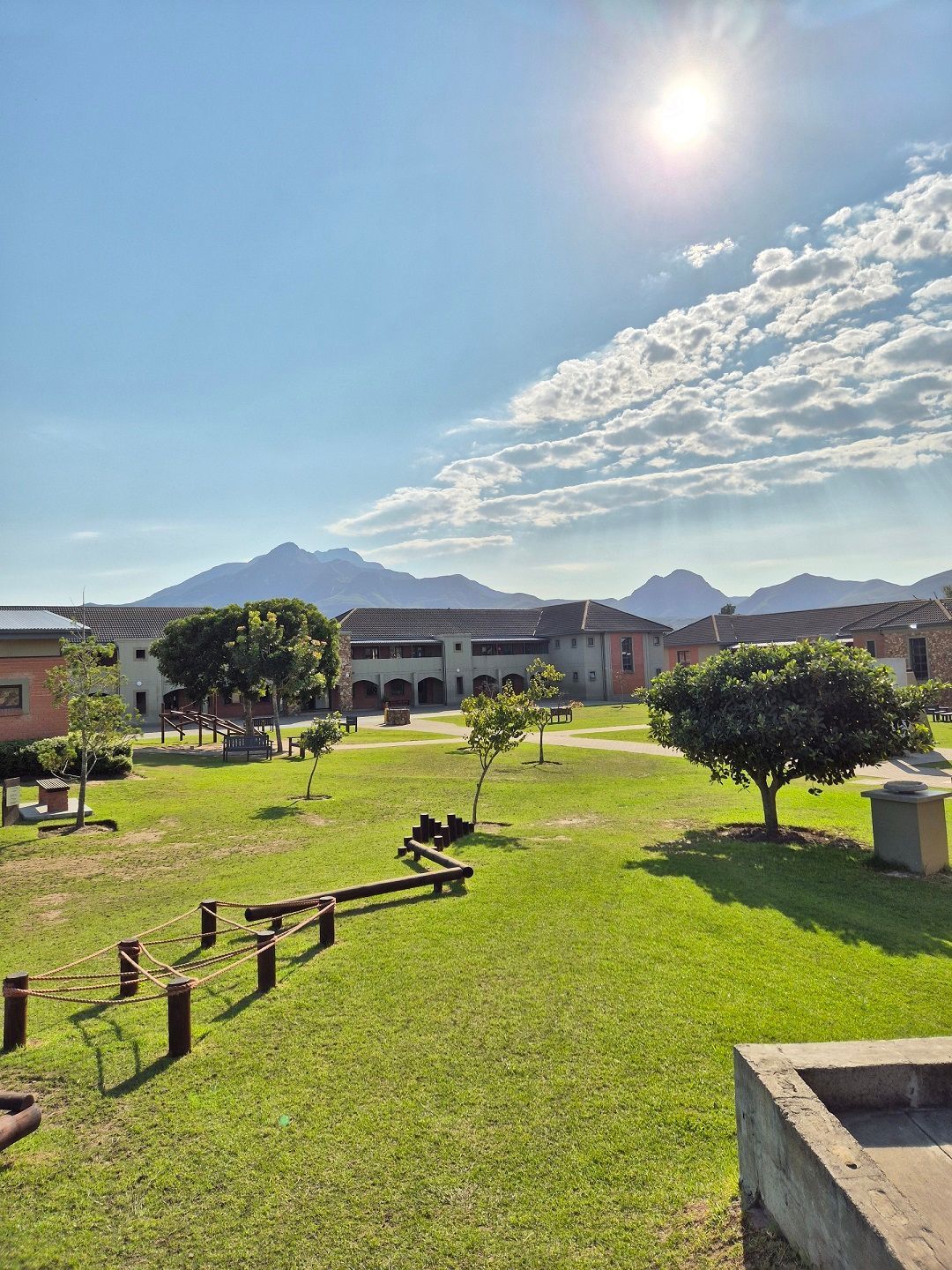
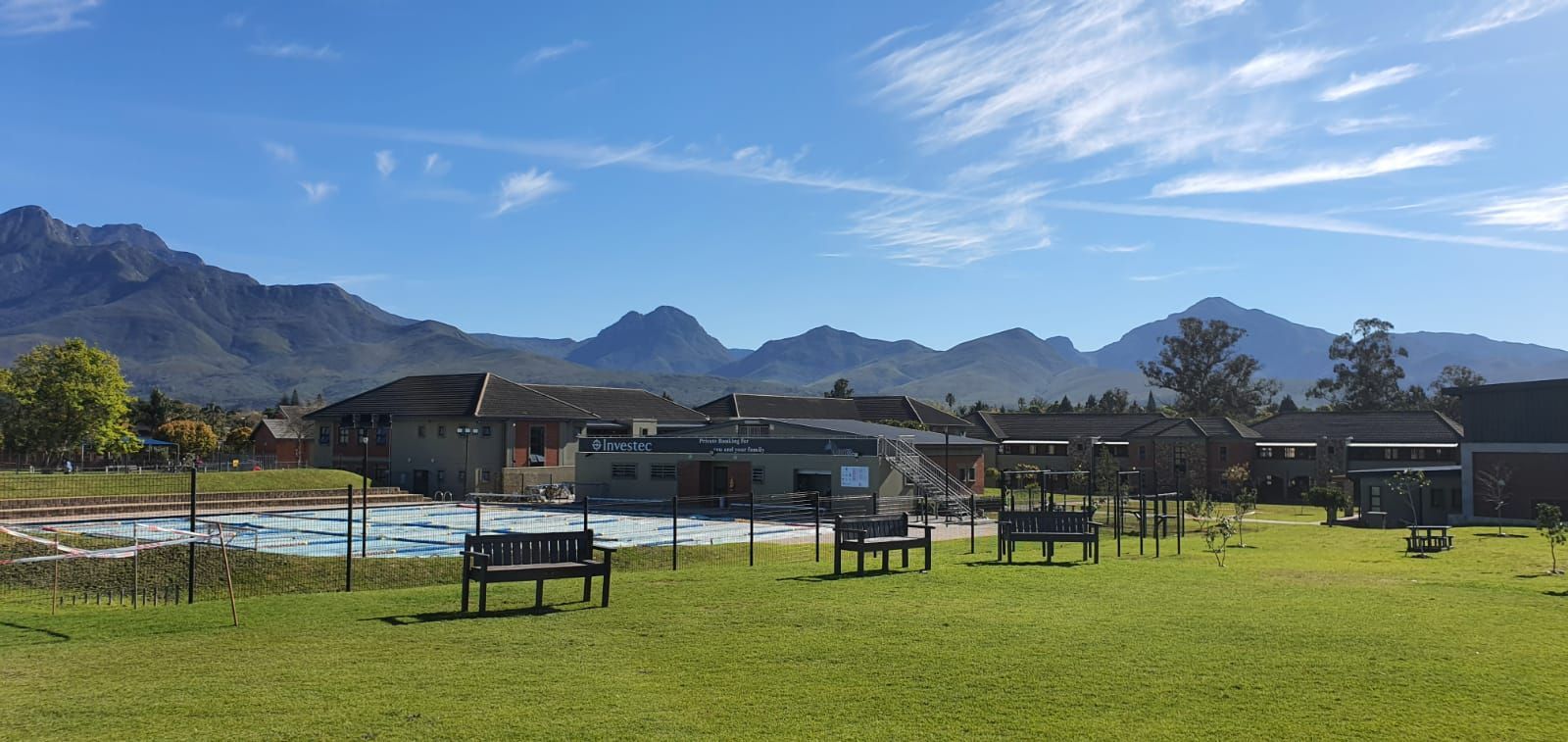
The school’s George setting adds another dimension to the experience. The Garden Route’s mountains, coastline and biodiversity can bring Geography and Life Sciences to life, helping students connect what they study to the environment and community around them.
Sport, culture, leadership and community service also help parents see the person developing behind the report. These experiences build resilience, empathy, independence and responsible citizenship, qualities that influence how young people form relationships, face setbacks and contribute to society.
No curriculum can predict exactly what the world will look like in 20 years. Parents can, however, choose a school that prepares their child to approach uncertainty with curiosity, courage and sound judgement.
“Students should not simply learn to pass matric,” concludes Harbottle. “They should learn how to think, contribute and continue growing long after they leave school.”
To book a tour at Glenwood House, visit https://www.glenwoodhouse.co.za/