Alumni Spotlight: Jean du Plessis
Patience at the Crease: How Glenwood House Alumnus Jean du Plessis is making his mark in Professional Cricket
International cricket, academic success and a healthy respect for early morning training sessions have shaped a journey built on discipline, determination and a love of the game
Dreams of sporting greatness often begin on school fields, in practice nets and during long afternoons spent imagining what the future might hold. Glenwood House alumnus Jean du Plessis turned those dreams into reality, building a professional cricket career that has taken him across South Africa and onto the international stage.
Since matriculating in 2016, Jean has represented South Africa at the ICC Under-19 Cricket World Cup, played provincial cricket for SWD, joined the Warriors franchise and earned selection for South Africa A tours against India, England and Sri Lanka. Academic success has accompanied those achievements, proving that life beyond the boundary rope can be just as important as life on it.
Favourite memories of Glenwood House centre around friendships and sporting adventures. Hockey tours to Kingswood, Stellenbosch and Cape Town remain highlights.
"Being surrounded by some of your best friends and occasionally missing a few classes made those trips unforgettable," he laughs.
Cricket may have become his profession, but another path almost claimed his attention first.
"As a young boy I wanted to be a professional tennis player before cricket eventually won," he says.
Business and accounting also captured his interest during his school years. Mentors encouraged him to continue studying while pursuing professional sport, advice that would prove invaluable.
"Success in sport is never guaranteed. A professional qualification creates opportunities and provides security for the future."
Balancing cricket and postgraduate accounting studies required plenty of discipline. Early mornings, late nights, online examinations while travelling and constant communication between coaches, administrators and university lecturers became part of everyday life.
"At the time, I simply tried to give my best to both."
A significant turning point arrived when Jean earned selection for the South African Under-19 team.
"That was when cricket started feeling like a genuine career possibility. Wearing the Proteas blazer at official functions was incredibly special."
Several milestones stand out when reflecting on his career so far. A first professional century provided the confidence that he belonged at that level. A remarkable match that included both a double century and a century elevated him into an elite group of South African cricketers. A century on his South Africa A debut against India further strengthened his belief that international cricket could be within reach.
Patience has remained one of the defining themes throughout his journey.
"Run your own race and avoid comparison. Everyone's path is different and timing matters."
Professional sport often appears glamorous, yet Jean is quick to point out the realities that many people never see.
"Cricket can be quite lonely at times. Players spend long periods away from family, friends and loved ones. Building lasting routines and relationships can be challenging."
Family, friends and his fiancée have provided constant support through every high and low.
"They understand me as a person, not only as a cricketer. That support is priceless."
Away from the game, Jean enjoys travelling, golf, padel, running and spending quality time with loved ones. A recent trip to the South of France ranks among his favourite life experiences, although a day on the golf course remains a close contender.
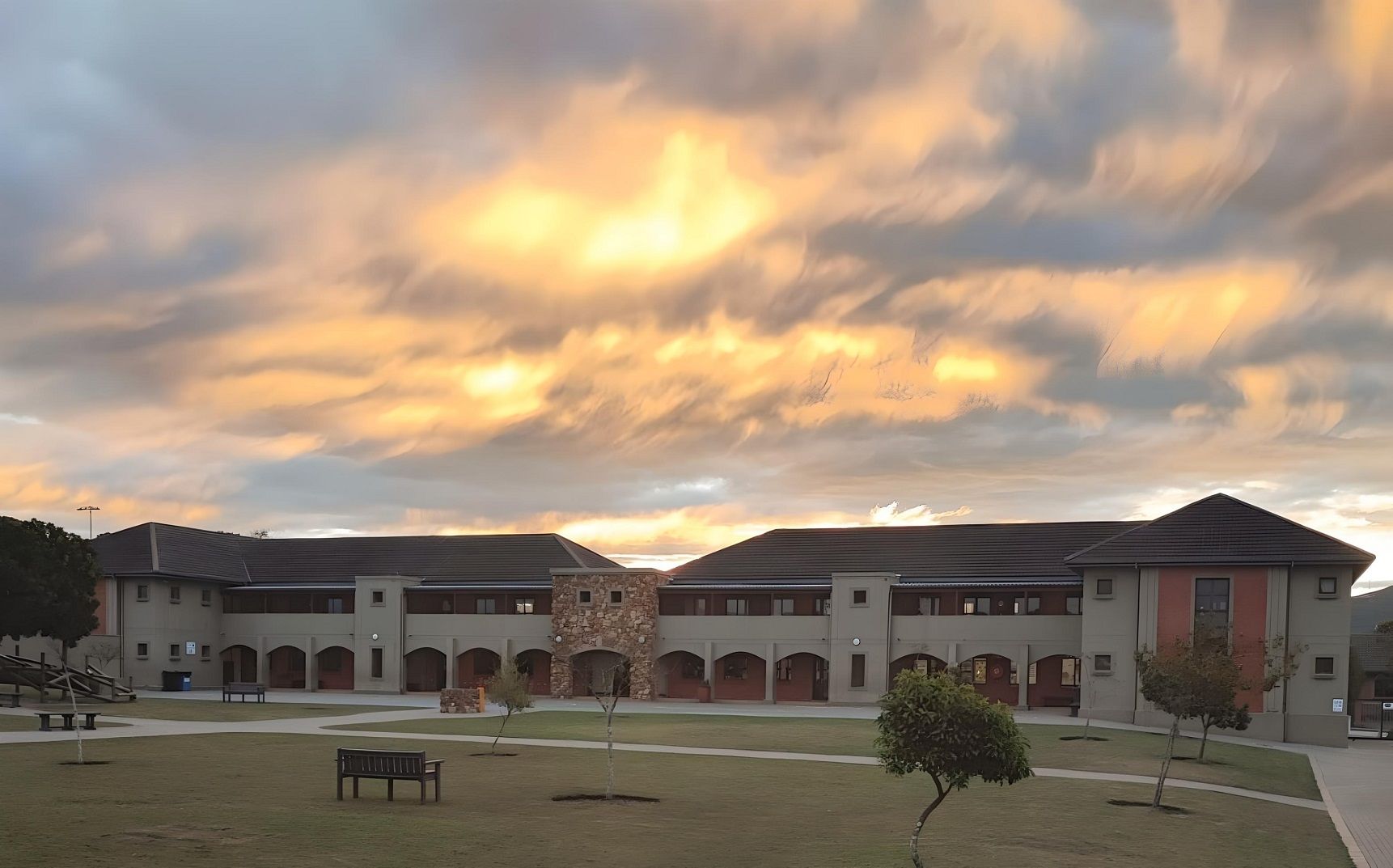
Looking back, Glenwood House played an important role in preparing him for the demands of balancing academics, sport and personal growth.
"The school taught me the importance of academics, time management and communicating effectively with teachers when commitments overlapped."
Current students can take plenty of inspiration from Jean's story. Ambition, hard work and talent may open doors, yet character, education and resilience help keep those doors open. Success, in his view, is measured less by trophies and statistics and more by living according to your values, giving your best effort and continuing to learn.
One piece of advice stands above the rest.
"Don't be afraid to make a fool of yourself trying something new and build as many friendships as possible while you're young."
Cricket has already taken Jean to some extraordinary places. Lord's Cricket Ground remains a dream destination still waiting to be ticked off the list. Judging by the patience, determination and perspective that have defined his journey so far, few would bet against him walking onto that famous field one day.
QUICK FIRE:
- Early morning training session or evening practice? Early morning training, just like I used to in the Glenwood indoor nets.
- Test cricket or T20 cricket? Test cricket
- Best cricket pitch in the world? St. George’s park/Newlands
- Beach or bushveld holiday? I grew up at the ocean, so I’d have to say bush.
- Coffee or tea? Coffee, always!
- Biggest sporting hero growing up? Cricketing hero: AB de Villiers & Jacques Kallis. Other sporting hero’s: Rafa Nadal
- One word that describes Glenwood House? Family oriented
- One word that describes your journey so far? Patience
- Best advice you have ever received? “Success is not final, failure is not fatal: it is the courage to continue that counts”
- Favourite way to spend a day off? Golfing
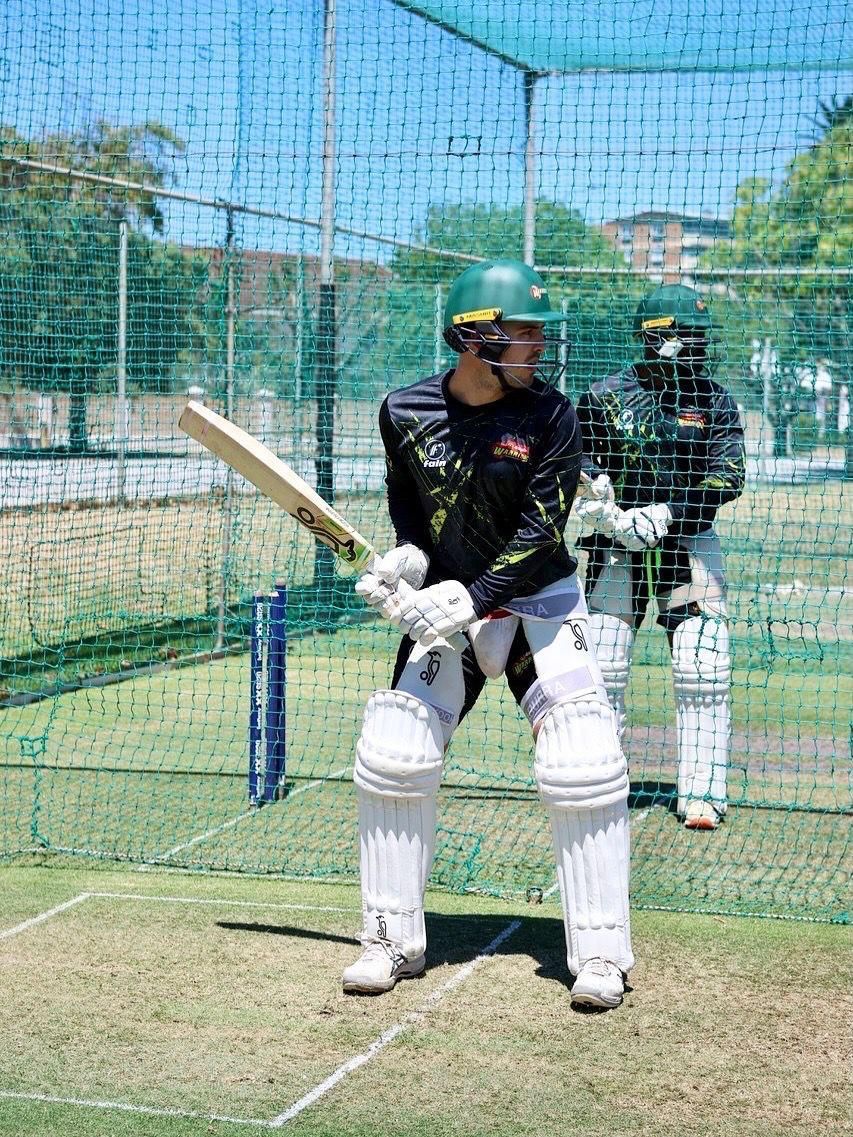

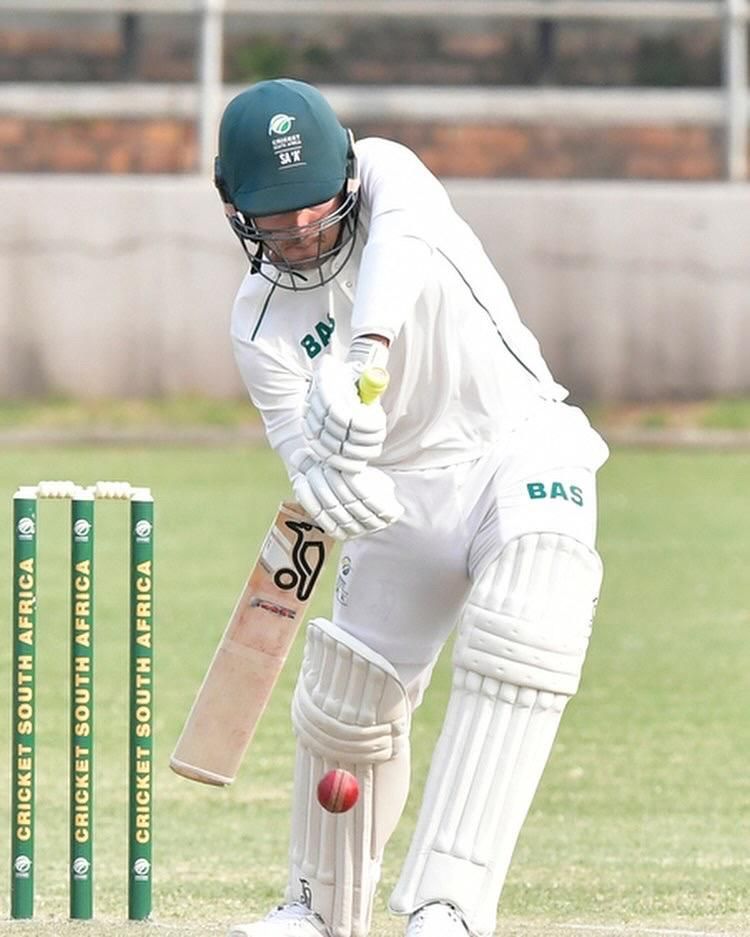


Photo Credits: Gallo Images and Warriors Cricket